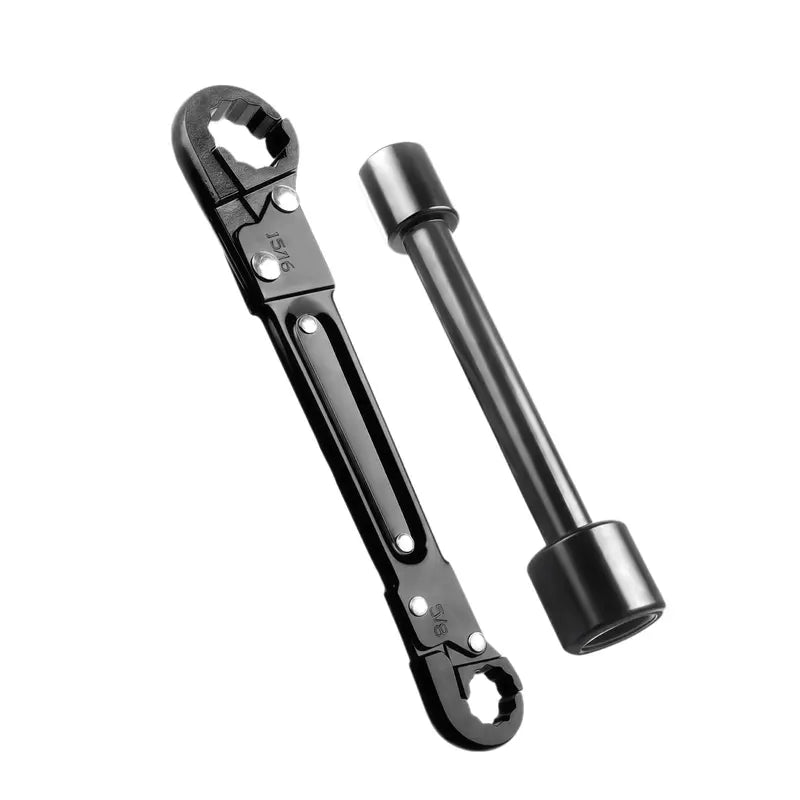


Compression Sleeve Puller Tool for 1/2' & 3/4' Brass Pipes, Rust-Resistant Ferrule Remover, Pipe Ring Extraction Kit for Corroded/Frozen Supply Stops, Removes Nut & Ferrule Safely – No Pipe Damage (Fits NPT 1/2', 3/4')
Compression Sleeve Puller Tool for 1/2' & 3/4' Brass Pipes, Rust-Resistant Ferrule Remover, Pipe Ring Extraction Kit for Corroded/Frozen Supply Stops, Removes Nut & Ferrule Safely – No Pipe Damage (Fits NPT 1/2', 3/4')

BUNDLE & SAVE
Couldn't load pickup availability
-
Ordered
- - -
Order Ready
- - -
Delivered

Compression Sleeve Puller Tool for 1/2' & 3/4' Brass Pipes, Rust-Resistant Ferrule Remover, Pipe Ring Extraction Kit for Corroded/Frozen Supply Stops, Removes Nut & Ferrule Safely – No Pipe Damage (Fits NPT 1/2', 3/4')
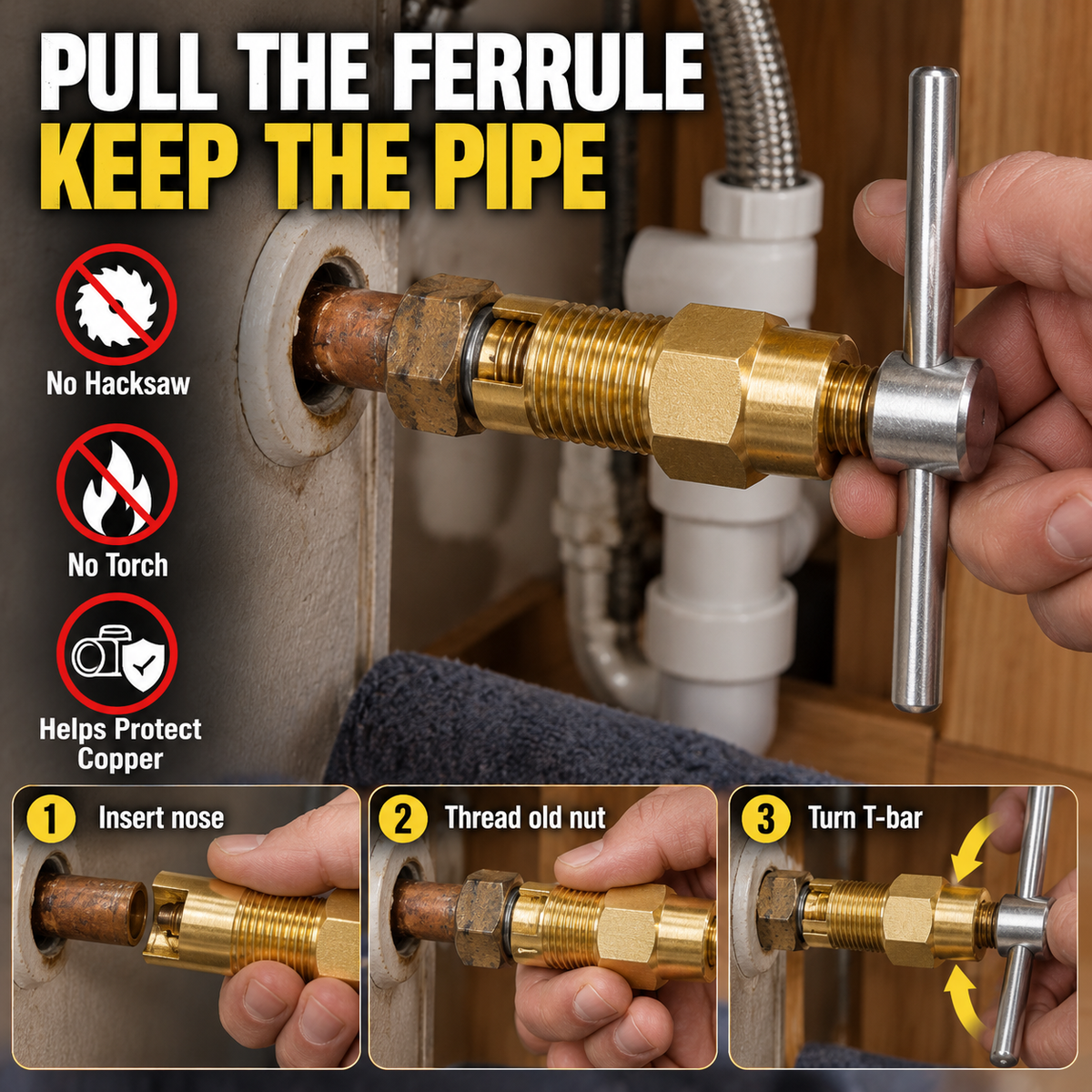
Pull The Ferrule.
Keep The Pipe.
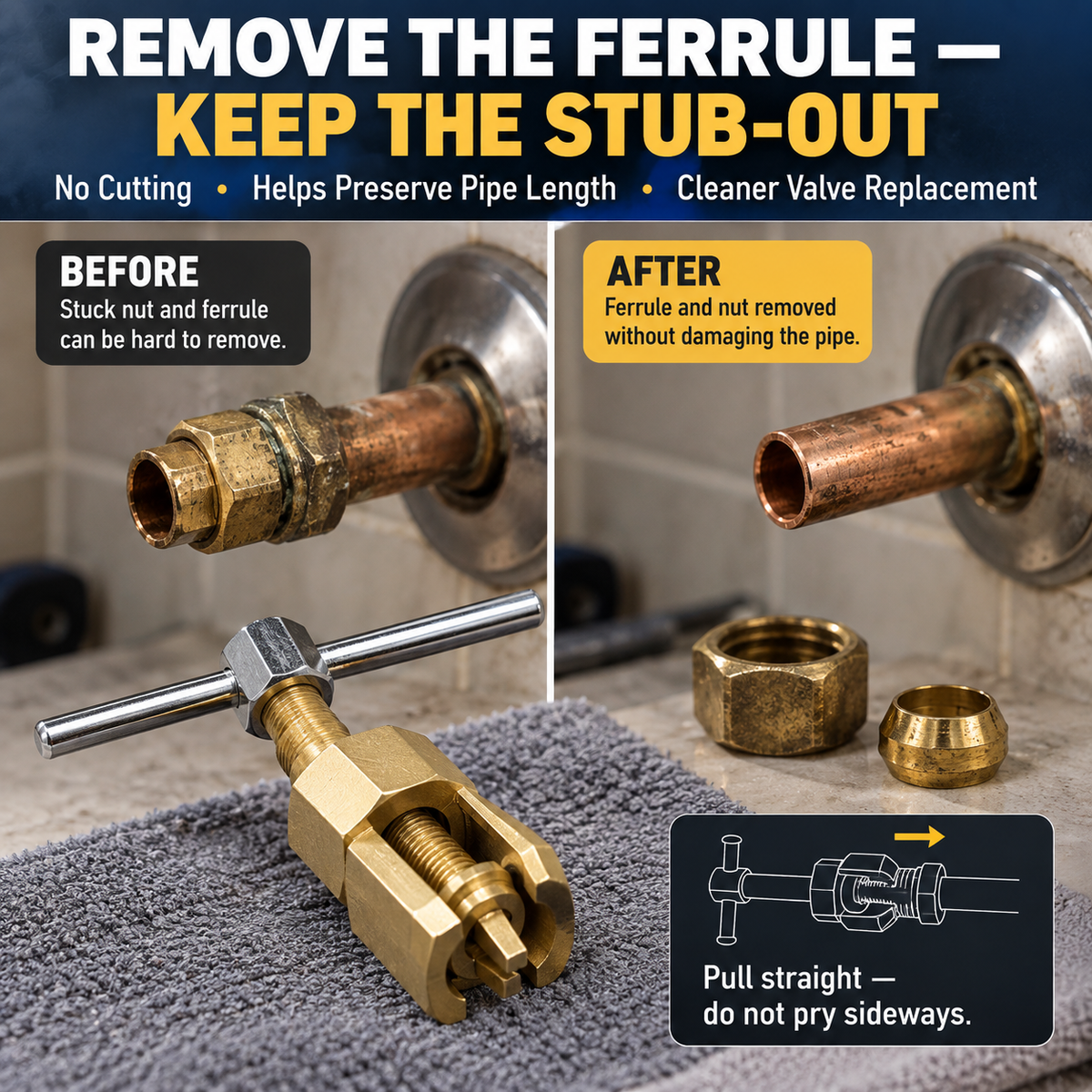
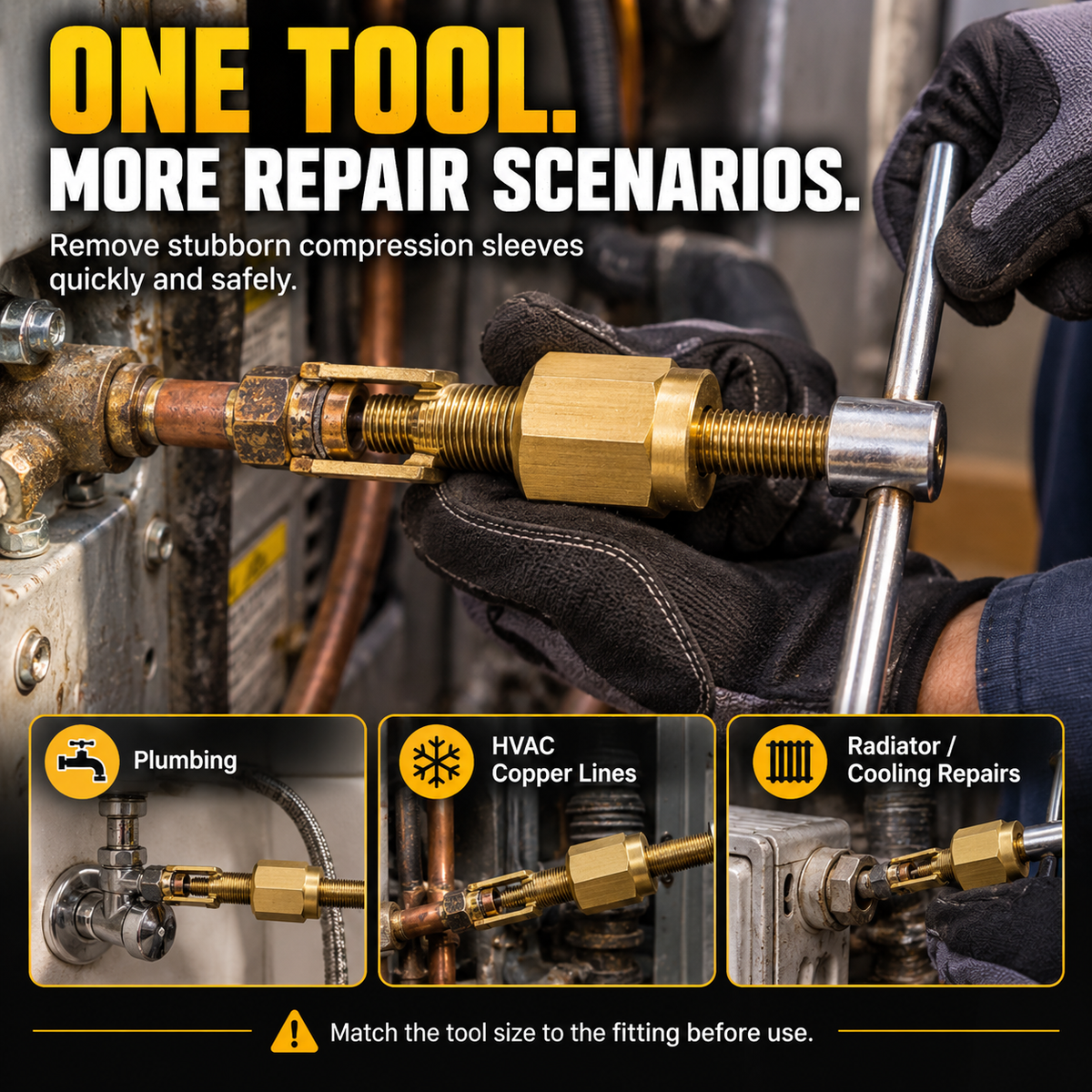
When an old compression sleeve refuses to move, stop turning a small fitting into a bigger repair. Use controlled mechanical pulling force to help remove the stubborn ring from the pipe.
The Nut Is Off.
The Ferrule Still Won't Move.
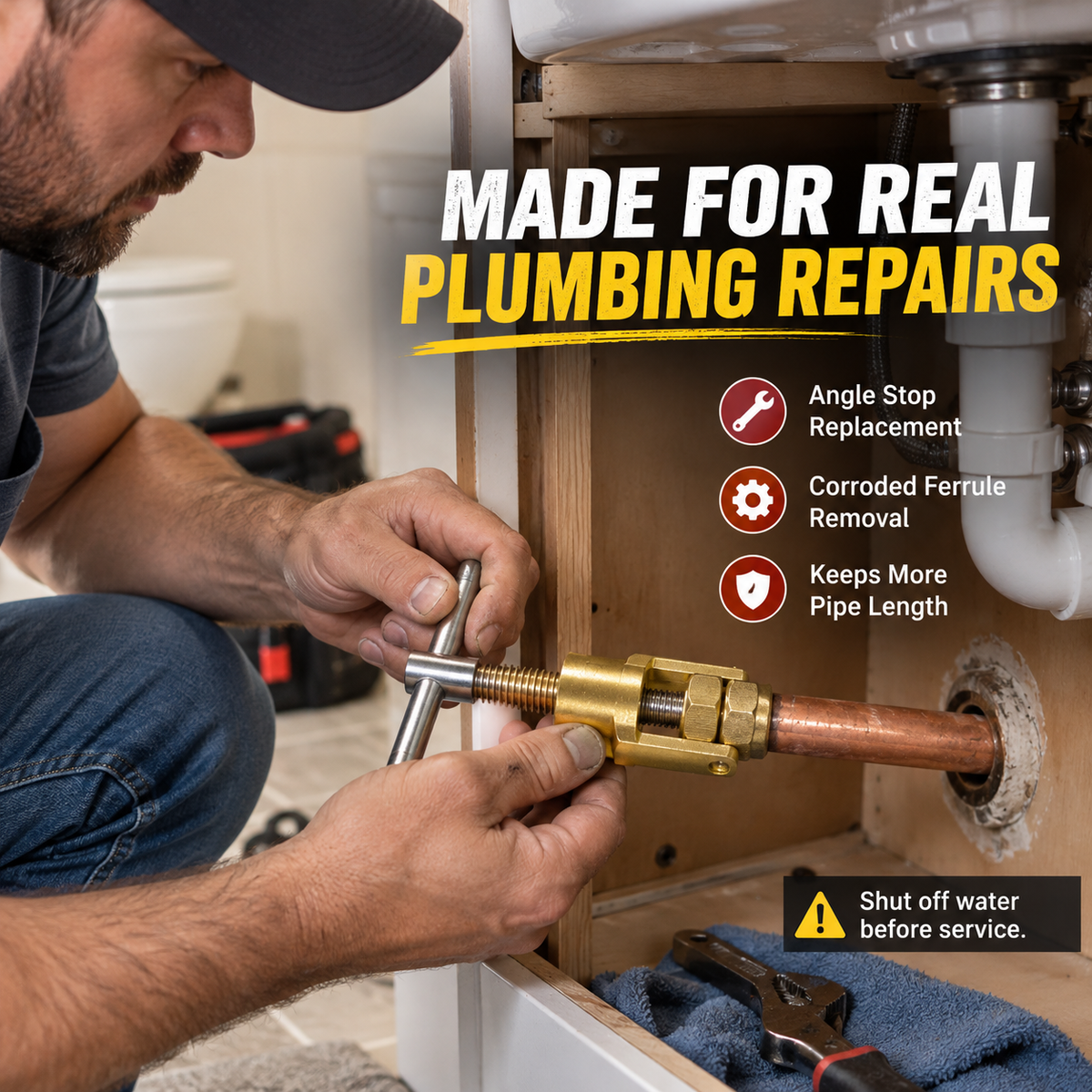
Old compression sleeves can bite tightly into copper pipe after years of use. That's where a simple valve replacement can turn into cutting, prying and unnecessary frustration.
A purpose-built puller gives you another option: apply force in the direction the sleeve actually needs to travel.
Turn Rotation Into Pulling Force.
The threaded mechanism converts your turning motion into a controlled axial pull, helping draw the compression sleeve away from the pipe instead of forcing you to attack it from the side.
Set It. Thread It. Pull It.
The idea is simple: position the puller at the compression fitting, engage the threaded body, then turn the T-bar to build pulling force.
Fit the puller into the compression-fitting setup after the nut is accessible.
Engage the threaded section so the tool can pull against the compression assembly.
Rotate the T-bar steadily to draw the ferrule away from its seated position.
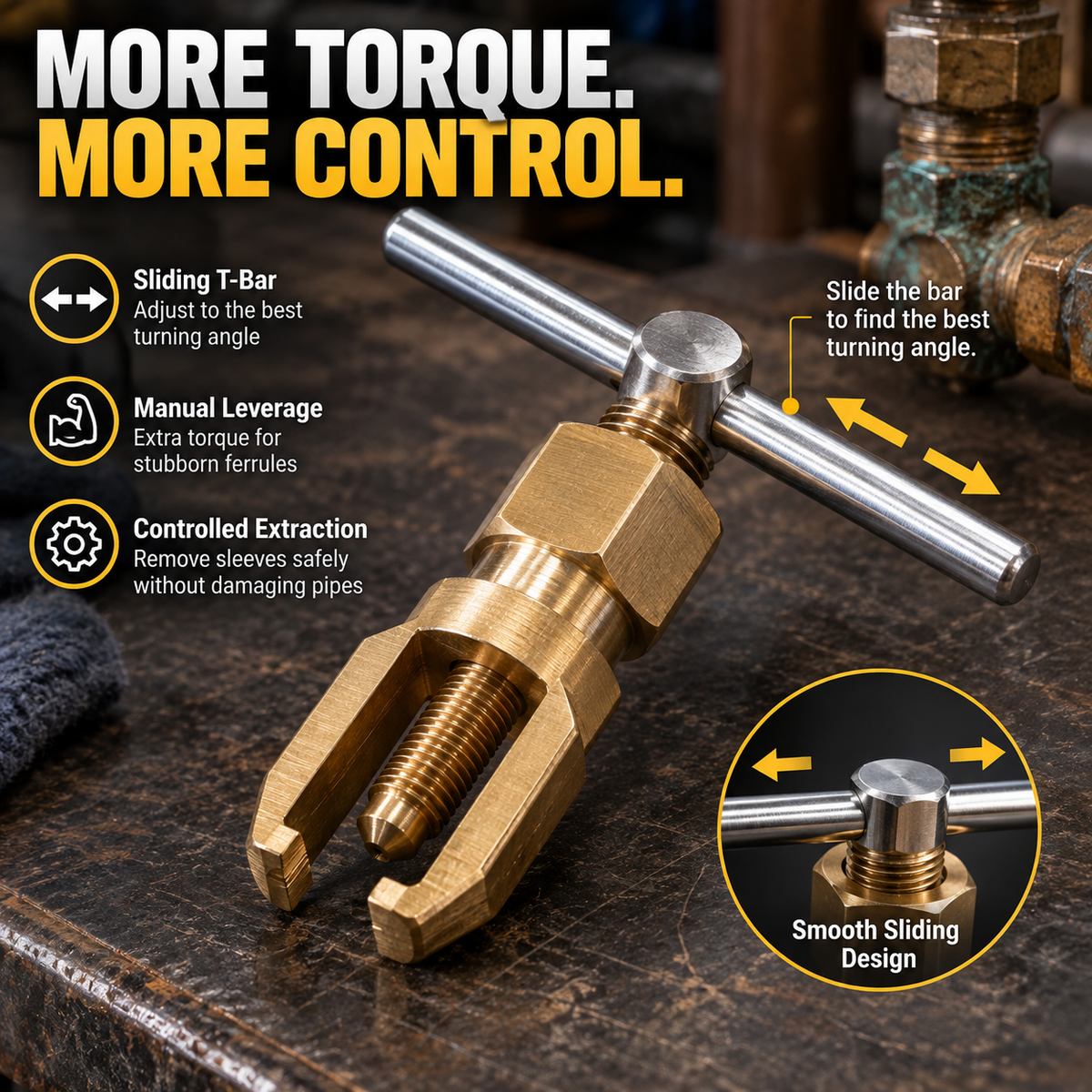
Slide The Handle.
Find Your Working Angle.
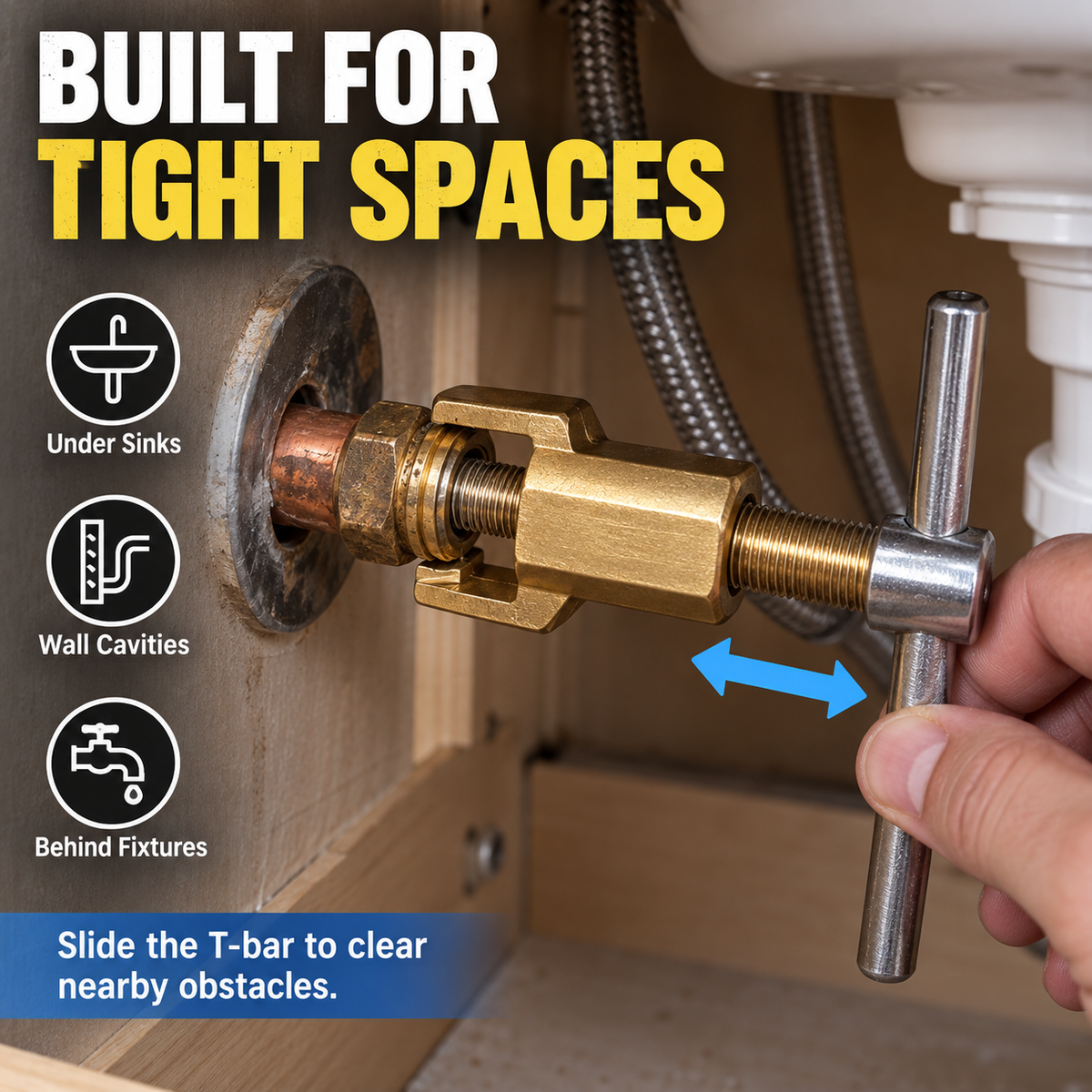
The crossbar slides from side to side, giving you room to reposition your grip when cabinets, walls or nearby fittings limit the turning angle.
That matters when the job is happening under a sink—not on a clean workbench.
Because Plumbing Rarely Happens With Unlimited Room.
Sink cabinets, wall penetrations and appliance connections rarely give you ideal access. The compact mechanical layout is designed for the kind of restricted working space found in everyday repair jobs.
Keep It Ready For The Next Stubborn Fitting.
Useful wherever compatible compression fittings appear—from household plumbing and supply lines to suitable copper-line maintenance work.
A Brass Tool Body Built Around Mechanical Pulling.
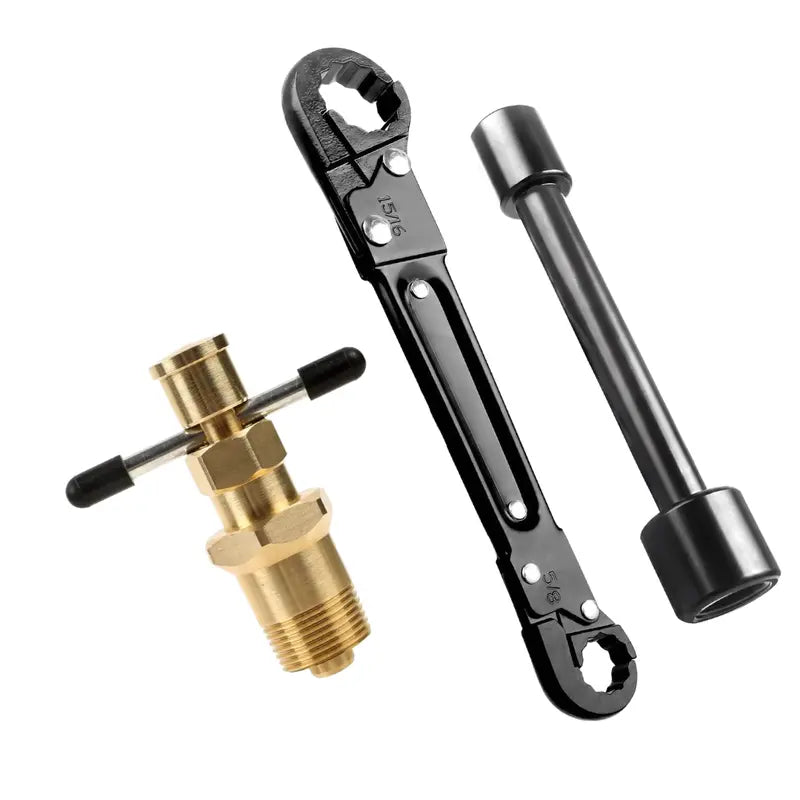
The product page identifies the main puller body as brass and the sliding lever as zinc-plated steel, giving the tool a compact, metal construction suited to repeated manual turning and pulling work.
Small Tool. Very Specific Problem Solved.
Designed around removing compression sleeves and olives rather than improvising with general-purpose tools.
Reposition the crossbar to find a more practical turning angle in cramped work areas.
Threaded movement helps convert manual rotation into progressive pulling force.
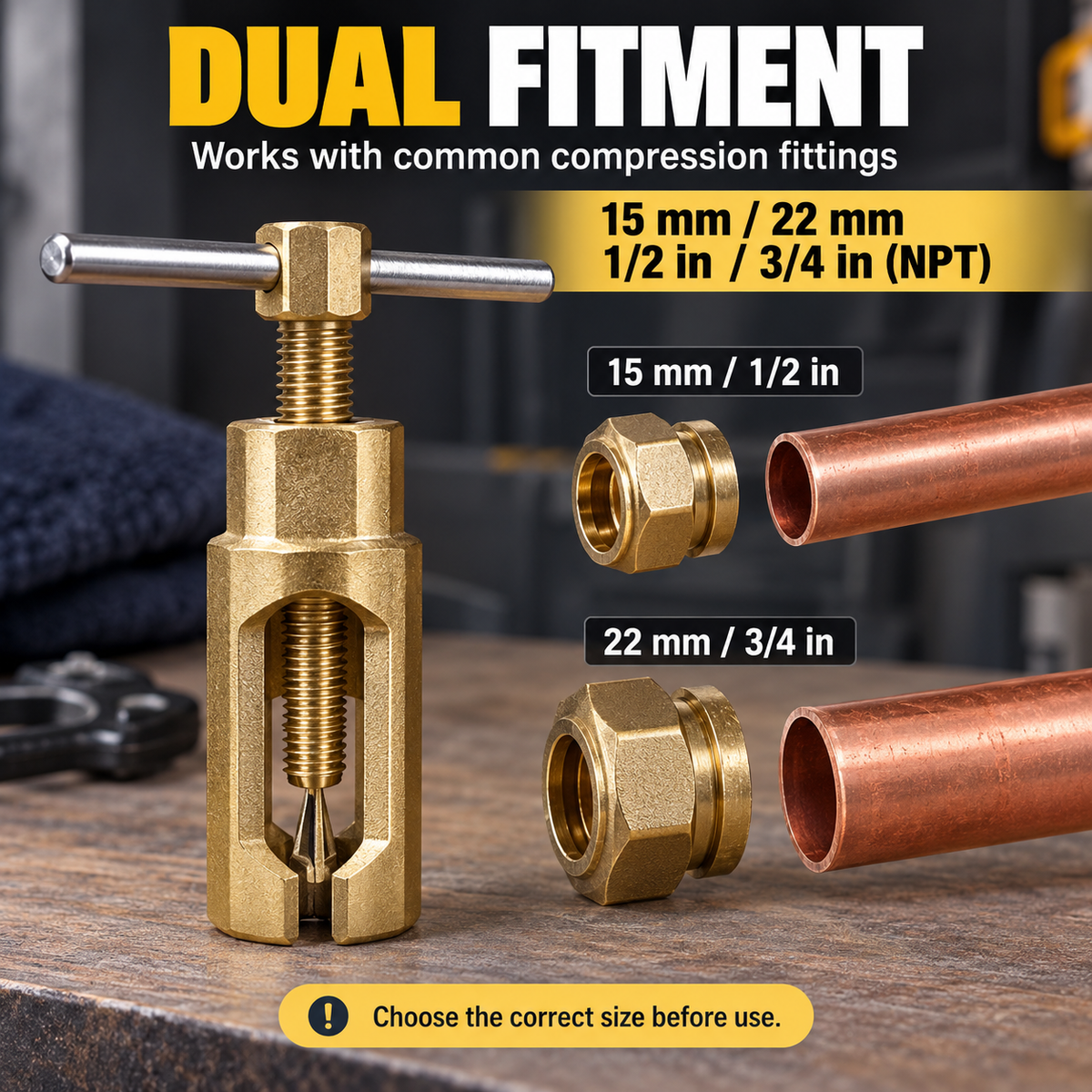
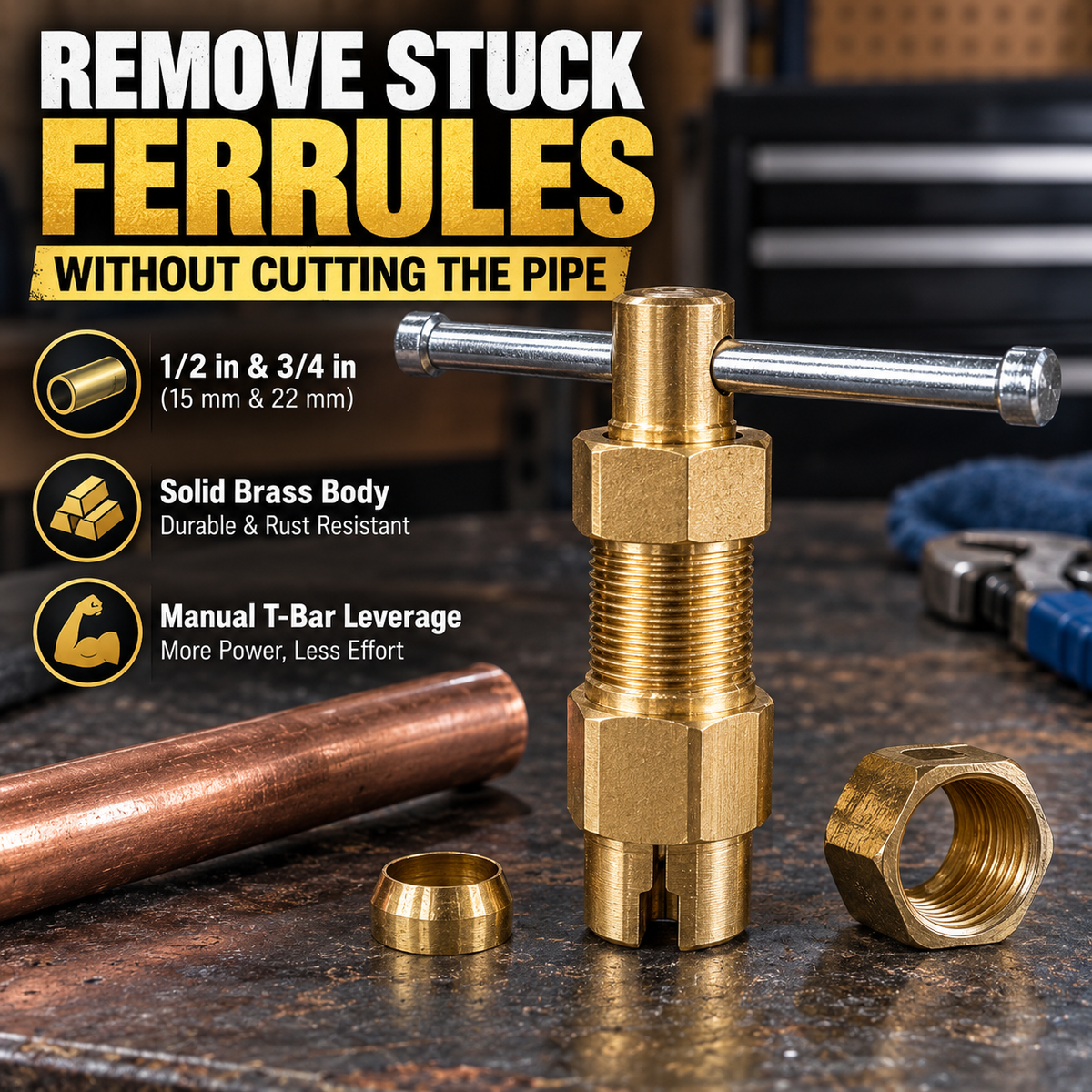
Product materials identify compatibility with common 15mm and 22mm brass or copper pipe applications.
Useful where walls, cabinets and nearby plumbing reduce available working room.
Brass tool body with a metal sliding crossbar for manual pulling and turning tasks.
Know The Fit Before You Start.
| Product Type | Compression Sleeve / Ferrule Puller |
|---|---|
| Primary Use | Removal of compression sleeves, ferrules and olives |
| Listed Pipe Sizes | 15mm and 22mm |
| Listed Fitting Reference | NPT 1/2" and NPT 3/4" |
| Main Body Material | Brass |
| Handle Style | Sliding T-Bar |
| Operation | Manual threaded pulling action |
| Typical Applications | Plumbing, copper-line service, compatible HVAC and maintenance work |
A Few Things Worth Checking First.
What does this tool actually remove?
It is designed for compression sleeves, ferrules or olives that remain on compatible pipe after a compression fitting has been disassembled.
How does it work?
The tool uses a threaded pulling mechanism. Once positioned on the fitting, turning the crossbar progressively creates pulling force to help move the sleeve away from the pipe.
What sizes does the product page list?
The current product information references 15mm and 22mm brass/copper pipe applications and also lists NPT 1/2" and 3/4" fitting compatibility.
Why use this instead of cutting the ferrule?
A dedicated puller gives you a controlled removal method that may help avoid unnecessary cutting or aggressive prying around reusable pipe.
Is it useful in tight spaces?
The sliding T-bar can be repositioned as you turn, which is useful when nearby cabinets, walls or fittings limit your working angle.
Will it work on every old compression fitting?
Fit and removal difficulty can vary with pipe size, fitting type, corrosion, deformation and installation condition. Confirm your fitting dimensions before use and apply force gradually.
When The Ferrule Won't Move,
Reach For The Tool Made To Pull It.
Add a purpose-built compression sleeve puller to your kit and give stubborn fittings a cleaner, more controlled way out.
Choose Your Tool →Compatibility and removal difficulty depend on pipe dimensions, fitting type and condition. Confirm sizing before use and follow safe plumbing practices.